I’ve walked into dozens of apartments in Manhattan and high-rises in Los Angeles lately and noticed a trend. There is a specific greenery that keeps catching my eye.
The Beloved Desire Plant is quickly becoming the go-to choice for people who want more than just a basic fern. It has a presence that feels both classic and very modern.
I remember visiting a small boutique florist in Miami who told me they couldn’t keep these in stock. People are drawn to the deep colors and the way the leaves catch the light.
Whether you are a seasoned gardener or someone who usually struggles to keep a cactus alive, this plant has something to offer. It’s hardy but looks incredibly delicate.
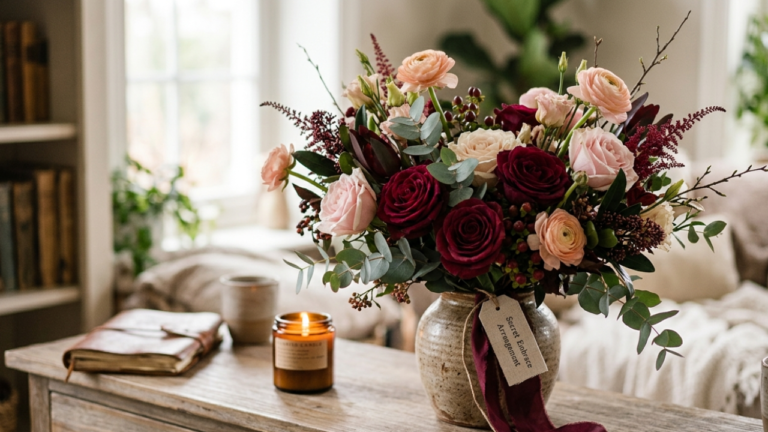
We see these plants used in high-end luxury arrangements all the time. They add a layer of texture that is hard to find with other species.
What Exactly Is the Beloved Desire Plant?
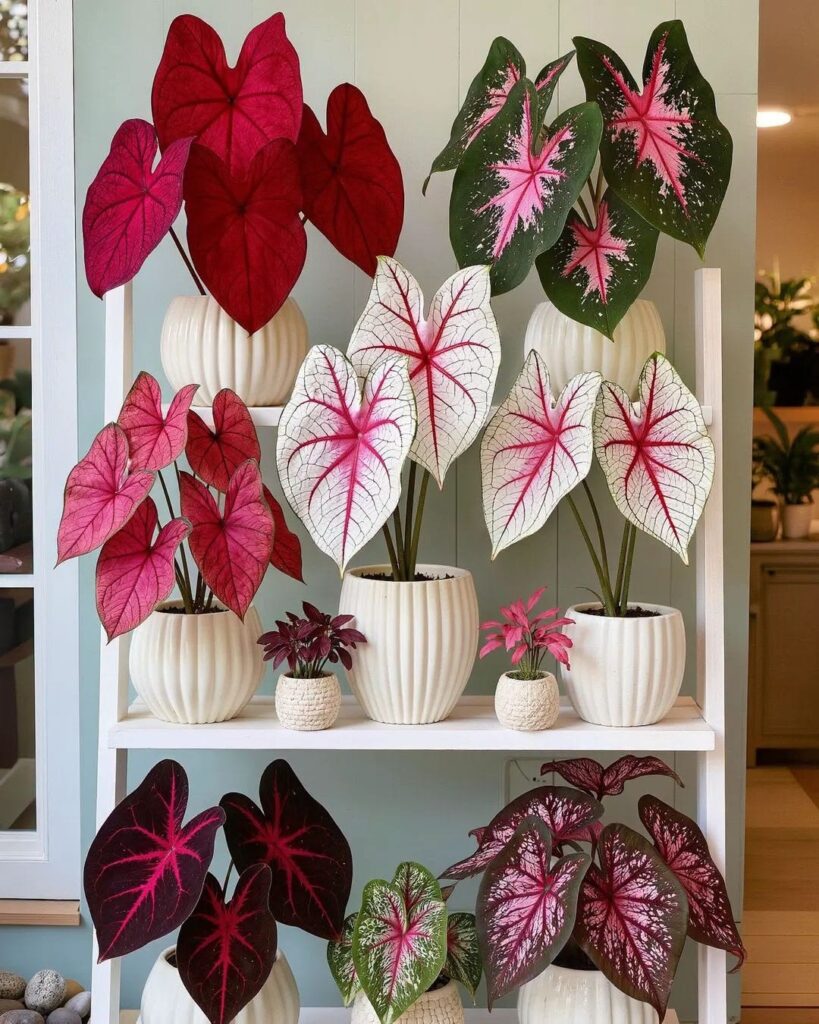
Usually, when people talk about this plant, they are referring to a variety known for its deep, romantic hues. It often features heart-shaped leaves that feel velvet-like to the touch.
In the trade, we often see these categorized under premium tropicals. They thrive in environments that mimic the humid understory of a rainforest, which sounds harder to achieve than it actually is.
I’ve seen them thrive in Houston homes just as well as they do in the drier air of Phoenix, provided you know the right tricks. It’s all about creating a little microclimate.
Many florists consider this the perfect anniversary gift because of the name alone. It carries a message of long-lasting affection and beauty.
Current Market Pricing in Major US Cities
If you are looking to buy one, prices can vary wildly depending on where you live. Shipping costs and local demand play a huge role in what you’ll see on the tag.
In New York, you might pay a premium because of the logistics of getting fresh plants into the city. In Miami, you might find them slightly cheaper since they grow better in the local climate.
| US City | Average Price (Small) | Average Price (Large) | Availability |
|---|---|---|---|
| New York City | $45.00 | $120.00 | High |
| Los Angeles | $38.00 | $95.00 | Very High |
| Miami | $30.00 | $80.00 | Very High |
| Houston | $35.00 | $90.00 | Moderate |
| Chicago | $42.00 | $110.00 | Moderate |
Finding the Right Light for Your Plant
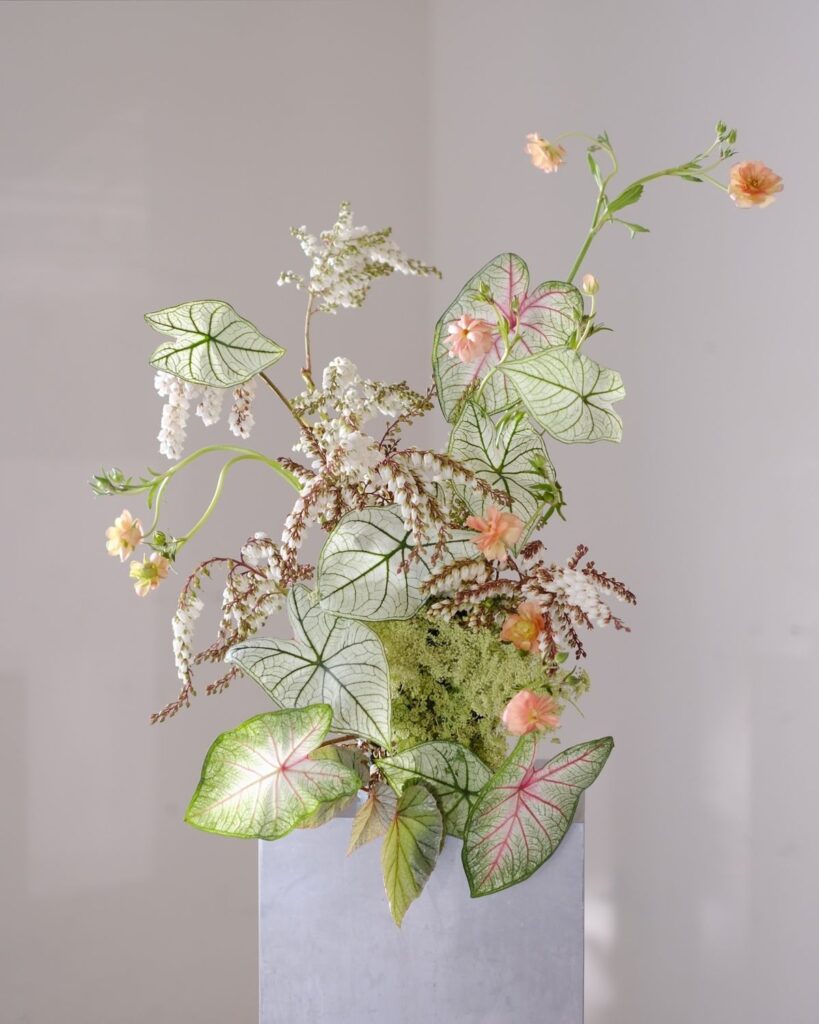
Lighting is the most common place where people go wrong. I’ve seen so many of these plants scorched by the harsh afternoon sun in South California homes.
Ideally, you want bright, indirect light. Think of it like a filtered sun through a sheer curtain. This mimics the dappled light of the jungle floor where they naturally grow.
According to the USDA plant profiles, keeping them away from direct northern exposure is usually best during the winter months in the States.
If you live in a place with long, dark winters like Seattle or Boston, you might want to invest in a simple LED grow light. It makes a world of difference for the leaf color.
You’ll know if it’s getting too much light if the leaves start to turn a yellowish-brown. If the leaves look dull and the growth is slow, it probably needs a bit more brightness.
Regional Light Guide
| Region | Ideal Placement | Winter Tip | Summer Tip |
|---|---|---|---|
| Northeast (NYC/Boston) | East-facing window | Move away from drafty windows | Use sheer curtains |
| Southeast (Miami/Atlanta) | North-facing window | No changes needed | Keep in air conditioning |
| West Coast (LA/SF) | Interior of a bright room | Maximize light hours | Watch out for heat waves |
| Midwest (Chicago/Detroit) | South-facing window | Keep away from radiators | Avoid direct midday sun |
Watering Strategies for Success
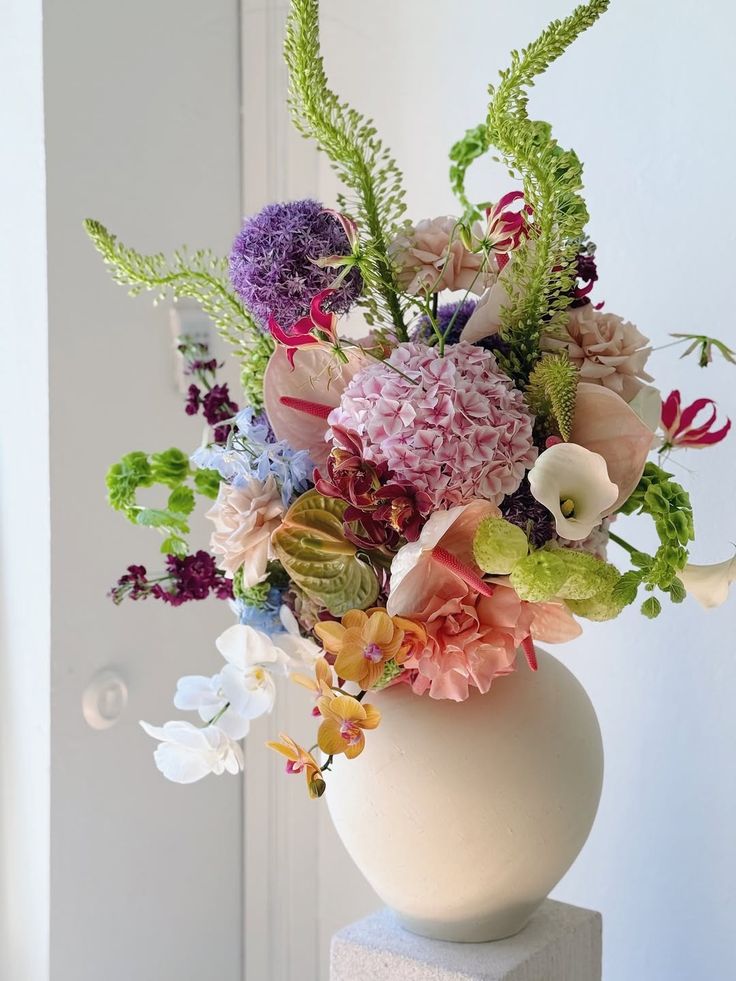
The number one killer of the Beloved Desire Plant is actually overwatering. We Americans tend to be a bit too generous with the watering can because we want our plants to be happy.
I always tell people to stick their finger about an inch into the soil. If it feels moist, leave it alone. If it feels dry, it’s time for a drink.
In the summer, your plant will be thirstier. In the winter, especially when the heater is running, the soil might dry out faster, but the plant’s metabolism is actually slower.
Many experts at the Missouri Botanical Garden suggest using lukewarm water. Cold water straight from the tap can actually shock the root system of tropical plants.
If your home is very dry, consider a pebble tray. Fill a tray with stones and a bit of water, then set the pot on top. This increases the local humidity without soaking the roots.
I’ve seen people use humidifiers in their bedrooms just for their plants. While it helps the plant, it’s also quite nice for your own skin during a New York winter.
When you do water, make sure the water flows out of the bottom of the pot. This flushes out any salt buildup from the soil which can burn the roots over time.
Soil and Potting Essentials
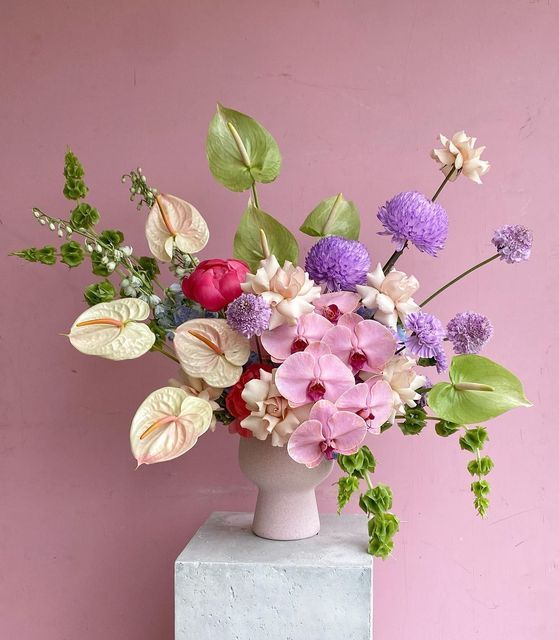
You can’t just use any dirt from the backyard. The Beloved Desire Plant needs a mix that breathes. It needs oxygen just as much as it needs water.
I recommend a mix that includes peat moss, perlite, and perhaps a bit of orchid bark. This creates the airy structure that tropical roots love to grow through.
Check out the University of Florida IFAS extension for great tips on tropical soil compositions. They are the experts on keeping these things happy in humid climates.
Choosing the right pot is just as important as the soil. While plastic pots hold moisture longer, terracotta is porous and helps prevent root rot by allowing the soil to dry more evenly.
| Pot Material | Pros | Cons | Best For |
|---|---|---|---|
| Terracotta | Breathable, prevents rot | Dries out very quickly | Chronic over-waterers |
| Ceramic (Glazed) | Holds moisture, beautiful | Can be very heavy | Modern home decor |
| Plastic | Lightweight, cheap | Not eco-friendly | Growing young plants |
| Concrete | Very stable | Can leach lime into soil | Large floor specimens |
Gifting the Beloved Desire Plant
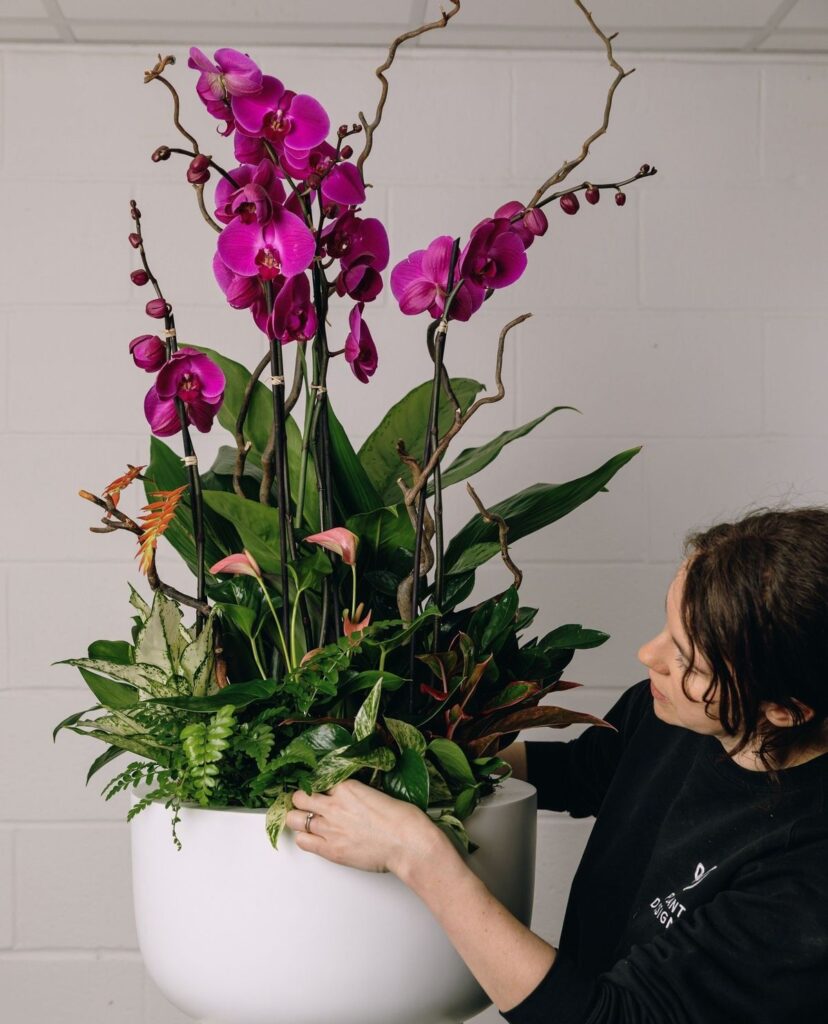
This is one of my favorite plants to recommend for a birthday. It’s unique enough that the recipient likely doesn’t have one yet, but easy enough that they won’t feel burdened by it.
I’ve often suggested it as a sympathy gift as well. It offers a lasting memory of a loved one that continues to grow and thrive long after the funeral.
During the seasonal holidays, we see these decorated with small ribbons or placed in festive metallic pots. They make a great alternative to the standard poinsettia.
If you are sending one as a gift, make sure to include a small care card. Not everyone knows the “finger test” for watering, and a little guidance goes a long way.
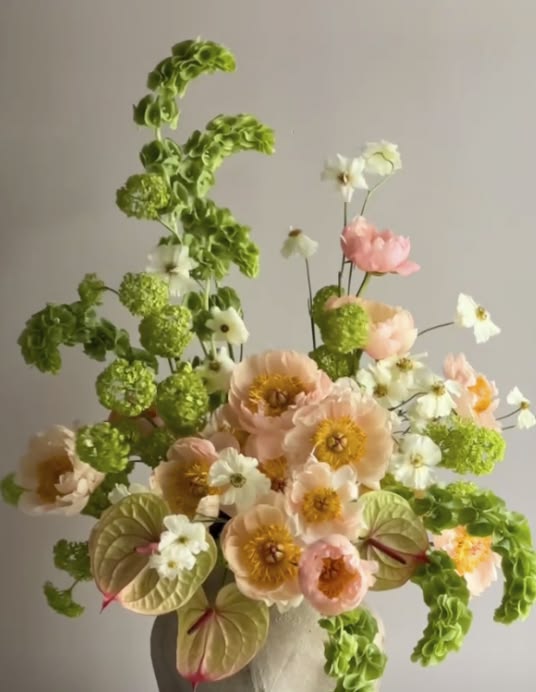
For a wedding centerpiece, these can be stunning. The deep green or red tones provide a sophisticated backdrop for white flowers and candlelight.
I remember a wedding in a loft in Brooklyn where they used these plants at every table. The guests actually got to take them home at the end of the night.
It was a much better choice than cut flowers that would have faded in a few days. Those guests still have those plants in their homes today, which is a lovely thought.
Common Problems and How to Fix Them
Even with the best care, you might run into some issues. Don’t panic; most of these are very easy to solve if you catch them early.
If you see brown tips on the leaves, it usually means the air is too dry. This is very common in the winter when the central heating is blasting.
Yellowing leaves can be a sign of too much water. Scale and mealybugs are the most common pests, but a little neem oil or insecticidal soap usually clears them right up.
| Symptom | Probable Cause | The Fix |
|---|---|---|
| Drooping Leaves | Underwatering | Deep soak in the sink |
| Sticky Residue | Pests (Aphids/Scale) | Wipe with soapy water |
| Slow Growth | Lack of nutrients | Use balanced liquid fertilizer |
| Mushy Stems | Root Rot | Repot in fresh, dry soil |
I always suggest checking the undersides of the leaves once a week. That’s where the bugs like to hide, and catching them early prevents a full-blown infestation.
You can find more detailed pest management tips at The Spruce. They have excellent visual guides for identifying common houseplant invaders.
Feeding and Growth Habits
During the spring and summer, your Beloved Desire Plant is working hard to grow. This is when it needs a little extra fuel.
I use a standard 20-20-20 liquid fertilizer, but I dilute it to half strength. It’s better to give them a little bit frequently than a lot all at once.
In the fall, I start to scale back. By the time December hits, I stop fertilizing entirely until the following March. The plant needs its rest period.
According to the folks at Gardeners.com, over-fertilizing is a common mistake that leads to salt buildup and leaf burn.
You’ll notice that this plant grows in a very orderly fashion. It doesn’t usually get wild and leggy, which makes it perfect for shelves or desks.
If it does get a bit too big for its space, you can prune it. Just use clean, sharp scissors and cut just above a leaf node.
This actually encourages the plant to branch out and become fuller. It’s a great way to keep it looking lush and healthy.
Final Thoughts on the Beloved Desire Plant
Whether you’re in a sunny bungalow in Miami or a cozy apartment in Chicago, this plant can really transform your space.
It brings a touch of the tropics and a bit of elegance that is hard to match. It’s not just a plant; it’s a living piece of decor.
I’ve seen firsthand how much joy these can bring to a room. They are conversation starters and long-term companions.
If you follow these simple steps for light, water, and soil, you’ll have a thriving plant for years to come. It’s all about listening to what the plant is telling you.
Check out our general section for more advice on picking the right greenery for your specific home environment.
Happy gardening, and I hope your new plant brings a bit of that “Beloved Desire” into your home today.