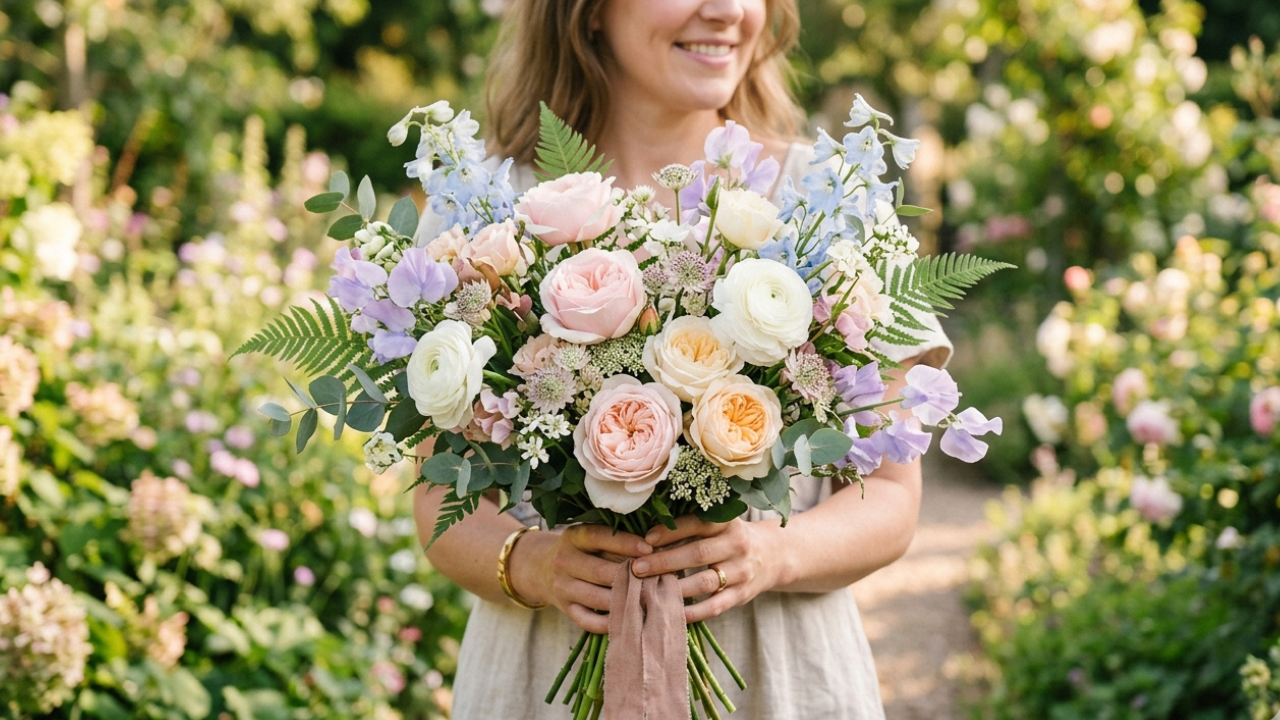
There is something truly special about a Soft Garden Bouquet. I have spent years walking through flower districts from Manhattan to Los Angeles, and this style always turns heads.
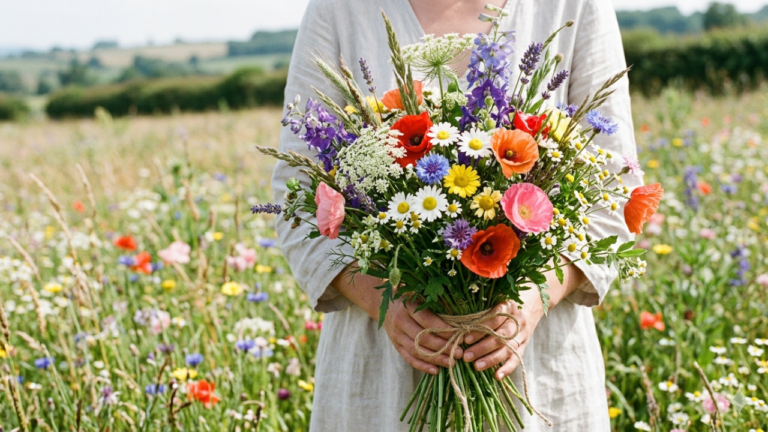
It is not about perfection. It is about the way flowers look when they are growing naturally in a backyard in the Hamptons or a cottage garden in the Midwest.
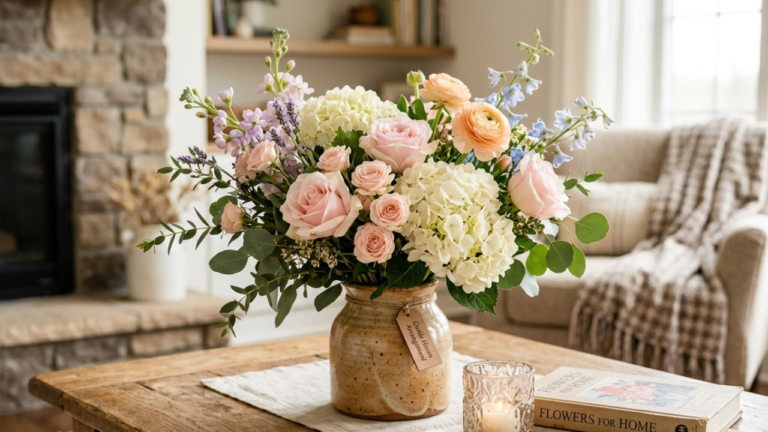
Unlike those tight, round balls of roses we used to see everywhere, this style breathes. It has movement, different heights, and a touch of wildness that feels very high-end yet approachable.
What Exactly Defines This Style?
When people ask me for a Soft Garden Bouquet, they are usually looking for a romantic, airy feel. It is the opposite of the stiff, formal arrangements you might see at a corporate gala.
I like to think of it as a “just picked” look, even if every stem was carefully chosen by a professional florist in Miami or Houston. It relies on texture and varying shades of the same color family.
You will often see “filler” flowers like Queen Anne’s Lace or Waxflower taking center stage alongside the big blooms. This creates layers that draw the eye in closer.
| Feature | Description | Effect |
|---|---|---|
| Movement | Stems of varying lengths and shapes | Creates a natural, flowing appearance |
| Color Palette | Pastels, creams, and muted earth tones | Evokes a sense of calm and romance |
| Texture | Mix of soft petals, wispy greens, and berries | Adds depth and visual interest |
| Shape | Asymmetrical and organic | Looks like it was gathered from a garden |
Choosing the Right Stems for Your Arrangement
Picking the right flowers is the most important step. If you are planning a wedding, you want flowers that hold up well but still look delicate.
Peonies are the gold standard for this look. Their ruffled petals and massive heads provide that “soft” focal point that everyone loves during the US spring season.
However, peonies have a short season. If you are shopping in late summer, I usually recommend Garden Roses or Dahlias to achieve that same lush, garden-inspired volume.
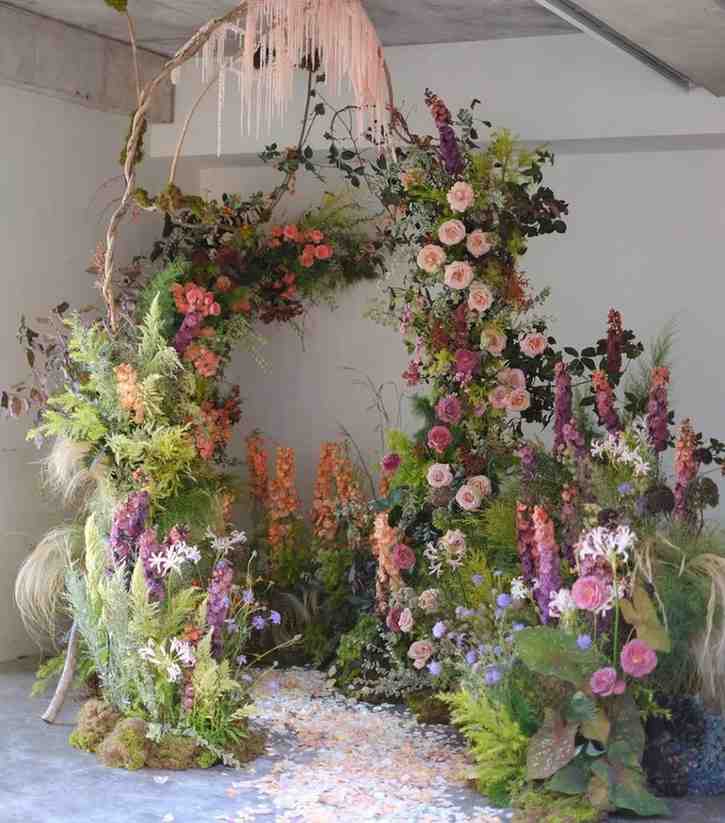
Don’t forget the supporting players. Ranunculus are incredible because their stems naturally curve. This helps break up any straight lines in your Soft Garden Bouquet.
Sweet peas and cosmos are also favorites of mine. They add a whimsical, dancing quality to the arrangement that makes it feel alive and fresh from the field.
I often suggest checking the USDA Plant Hardiness Zone Map to see what is growing locally in your area. Local flowers always last longer than those shipped across the country.
| Season | Primary Blooms | Filler & Greenery |
|---|---|---|
| Spring | Peonies, Tulips, Sweet Peas | Spirea, Dusty Miller |
| Summer | Garden Roses, Dahlias, Zinnias | Queen Anne’s Lace, Eucalyptus |
| Fall | Chrysanthemums, Lisianthus | Dried Grasses, Seeded Eucalyptus |
| Winter | Hellebores, Anemones | Evergreen sprigs, Silver Brunia |
The Role of Greenery and Texture
Greenery isn’t just a space-filler in this style. It is the framework. I prefer using “soft” greens like Eucalyptus or Jasmine vine that drape beautifully over the side of a vase.
If you are looking for a luxury feel, try adding a few stems of trailing Clematis. It creates a high-end, editorial look that you see in magazines like Martha Stewart Living.
Texture can also come from non-flower elements. Think about adding small berries or even herbs like Mint or Rosemary. They add a wonderful scent to your home in NYC or Chicago.
Cost Analysis: Buying vs. DIY in the USA
Pricing for a Soft Garden Bouquet varies wildly depending on where you live. In New York City, a high-end florist might charge $150 to $250 for a medium-sized arrangement.
If you are in a city like Houston or Phoenix, you might find similar styles for $80 to $120. The cost of labor and rent for the flower shop plays a big role in these prices.
For those on a budget, I suggest buying individual bunches from a local farmer’s market. You can often assemble a stunning birthday gift for under $50 if you do the work yourself.
| City | Standard Arrangement | Premium/Luxury Style |
|---|---|---|
| New York, NY | $125 – $160 | $250+ |
| Los Angeles, CA | $110 – $145 | $225+ |
| Miami, FL | $95 – $130 | $200+ |
| Houston, TX | $85 – $115 | $180+ |
Occasions That Call for a Soft Garden Bouquet
While these are popular for weddings, they are versatile enough for almost any event. I’ve seen them used beautifully for a sympathy gesture because the colors are so soothing.
They are also a top choice for an anniversary. There is a romantic nostalgia to garden flowers that feels more personal than a standard dozen red roses.
If you are hosting a baby shower or a bridal brunch, a few small Soft Garden Bouquets scattered on the tables create an effortless, high-end atmosphere for your guests.
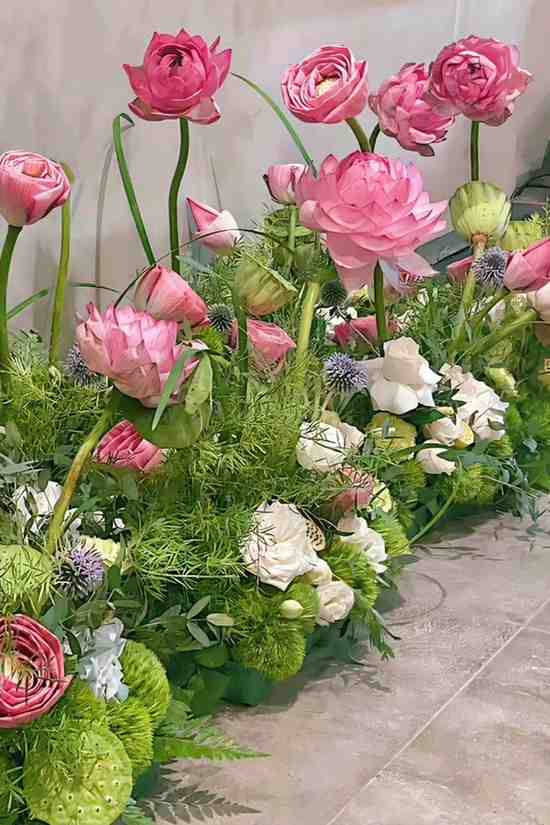
Design Tips from Professional US Florists
Florists in Miami tell me that the heat is the biggest enemy of this style. Since the flowers are often delicate, they can wilt quickly in high humidity if not treated correctly.
One trick I’ve learned is to use “flower frogs” or chicken wire instead of floral foam. This allows the stems to drink more water and stay hydrated in warmer climates.
Always cut your stems at a 45-degree angle before placing them in water. This increases the surface area for water absorption, which is vital for thirsty blooms like Hydrangeas.
For more professional advice on floral design, The Knot is a fantastic resource for seeing how these bouquets look in real-world settings across the country.
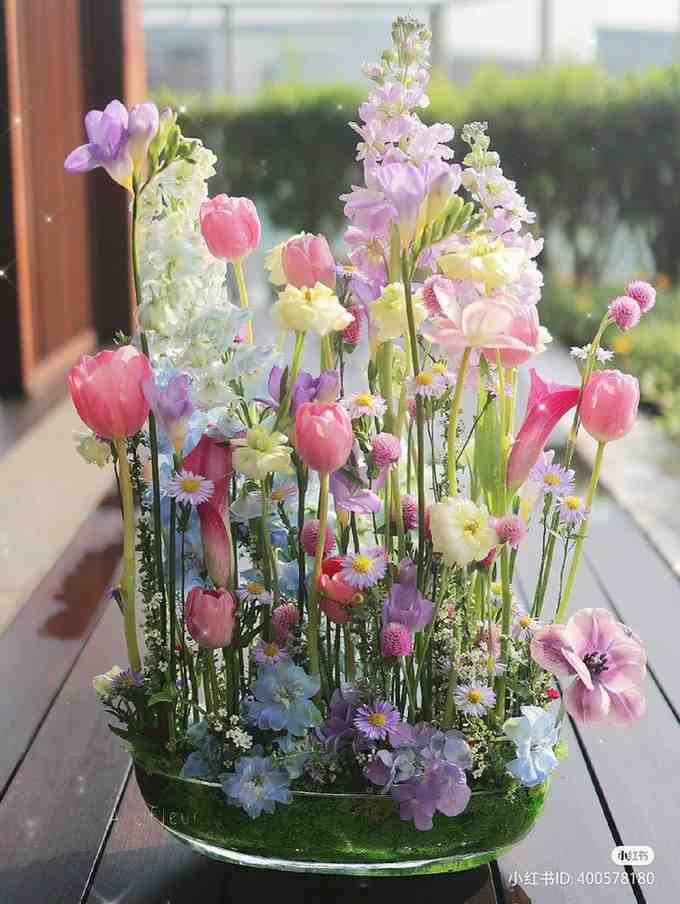
Maintaining Your Bouquet at Home
Once you bring your Soft Garden Bouquet home, the clock starts ticking. To get the most for your money, keep the vase away from direct sunlight and drafty AC vents.
I recommend changing the water every single day. If the water looks cloudy, bacteria are growing, and that will kill your flowers faster than anything else.
If you see a petal starting to brown, pull it off. This prevents the decay from spreading to the rest of the flower and keeps the arrangement looking fresh for longer.
| Flower Type | Average Life (Days) | Care Tip |
|---|---|---|
| Garden Roses | 4 – 6 Days | Remove outer “guard petals” if they bruise |
| Ranunculus | 7 – 10 Days | Support heavy heads with wire if needed |
| Lisianthus | 10 – 14 Days | One of the longest-lasting garden flowers |
| Sweet Peas | 3 – 5 Days | Keep very cool; they hate heat |
The Pros and Cons of This Floral Style
Every style has its trade-offs. While the Soft Garden Bouquet is stunning, it might not be the right choice for every single person or every situation.
If you are looking for something that will last two weeks on your counter, this might not be it. These flowers are chosen for beauty and scent, not necessarily for a long shelf life.
However, for a gift that truly wows someone and shows a lot of thought, you cannot beat the artistic value of a well-made garden arrangement.
| Pros | Cons |
|---|---|
| Highly photogenic and trendy | Higher price point for premium stems |
| Natural, pleasant fragrance | Shorter vase life than carnations or mums |
| Unique; no two bouquets are alike | Can be fragile during US shipping |
| Works for formal and casual events | Requires more daily maintenance |
Regional Variations Across the US
In the Pacific Northwest, florists often incorporate ferns and moss into their garden bouquets. This reflects the lush, green environment of places like Seattle and Portland.
Meanwhile, in the Southwest, you might see a Soft Garden Bouquet paired with dried elements or even small succulents to handle the drier air and higher temperatures.
In the South, especially around Charleston or Savannah, the focus is often on traditional blooms like Camellias or Magnolias used in a loose, garden-style way.
I find that people in the Northeast prefer a more “wildflower” look, using lots of Queen Anne’s Lace and Field Daisies during the summer months when local farms are in full bloom.
Check out Better Homes & Gardens for more inspiration on how to match your floral arrangements to your specific regional home decor style.
No matter where you are, the goal is to bring a piece of the outdoors inside. It is about celebrating the season and the natural beauty that each month provides.
If you are ordering for a special event, I always suggest talking to your florist about “seasonal substitutions.” This ensures you get the freshest possible stems for your Soft Garden Bouquet.
I have found that being flexible with the specific flower types, while staying firm on the color palette and “feel,” leads to the most beautiful results every single time.
Whether you are in a high-rise in NYC or a ranch in Texas, this floral style brings a sense of peace and natural elegance that is hard to find in more traditional arrangements.
I hope this helps you feel more confident when choosing your next bunch of flowers. There is no right or wrong way to do a garden style—as long as it makes you smile when you walk into the room.